
Many students dismiss classic literature as boring relics gathering dust on library shelves. Yet recent research reveals something remarkable: engaging with these timeless works delivers measurable cognitive benefits, including enhanced critical thinking and language mastery. This article explores what makes literature "classic," why these texts matter in 2026, and how they transform your analytical abilities and cultural understanding in ways contemporary works alone cannot replicate.
Table of Contents
- Defining Classic Literature and Its Enduring Relevance
- Cognitive and Analytical Benefits of Reading Classics
- Universal and Timeless Themes in Classic Literature
- Educational Impact of Classic Literature: Empirical Evidence
- Common Misconceptions About Classic Literature
- Linguistic and Cultural Literacy Benefits of Classic Literature
- Practical Applications for Students and Scholars Engaging with Classics
- Explore Classic Literature Resources at Bibliowlteca
- Why is Classic Literature Important in Modern Education?
Key Takeaways
| Point | Details |
|---|---|
| Classic literature comprises timeless works exploring universal human themes across cultures and eras. | These texts maintain cultural, linguistic, and philosophical significance that transcends their original contexts. |
| Reading classics significantly enhances critical thinking and language skills. | Studies show measurable improvements in comprehension, vocabulary, and interpretive competence among classic literature readers. |
| Universal themes in classics remain deeply relevant today. | Love, justice, identity, and power explored in ancient texts mirror contemporary personal and societal challenges. |
| Engagement with classics improves empathy and emotional intelligence. | Immersion in diverse perspectives and moral dilemmas builds emotional resilience and reflective self-awareness. |
| Common misconceptions about difficulty can be overcome with proper context and resources. | Annotated editions and scholarly guides transform challenging texts into accessible, rewarding experiences. |
Defining Classic Literature and Its Enduring Relevance
Classic literature includes timeless works with universal themes spanning ancient to 19th-century canonical texts. These aren't just old books; they're cultural touchstones that shaped civilizations and continue influencing modern thought. The definition and significance of classic literature rests on three pillars: enduring quality that survives changing tastes, exploration of fundamental human experiences, and profound impact on subsequent writers and thinkers.
What qualifies as classic literature? The canon stretches from ancient epics like Homer's "Odyssey" through medieval allegories, Renaissance drama, and 19th-century novels by Austen, Dickens, and Tolstoy. These works share common characteristics:
- Exploration of universal human conditions transcending time and geography
- Complex narrative structures rewarding repeated reading and analysis
- Significant influence on language, culture, and subsequent literary traditions
- Sustained critical attention and scholarly interpretation across generations
Classic literature remains relevant in 2026 because human nature hasn't fundamentally changed. We still grapple with love, loss, ambition, and morality. Shakespeare's examination of jealousy in "Othello" illuminates toxic relationships today. Austen's social commentary resonates with modern class dynamics.
These texts also preserve linguistic and cultural history. Reading classics connects you to the evolution of thought, language, and societal values. You gain insight into how previous generations understood themselves and their world, providing essential context for contemporary issues. This historical perspective isn't nostalgia; it's intellectual foundation supporting clearer analysis of present challenges.
Cognitive and Analytical Benefits of Reading Classics
Reading classic literature enhances critical thinking by exposing readers to layered, symbolic narratives requiring deep moral and philosophical analysis. Unlike straightforward contemporary narratives, classics demand active interpretation. You can't passively consume Dostoevsky; you must wrestle with ambiguity, decode symbolism, and evaluate competing moral frameworks.
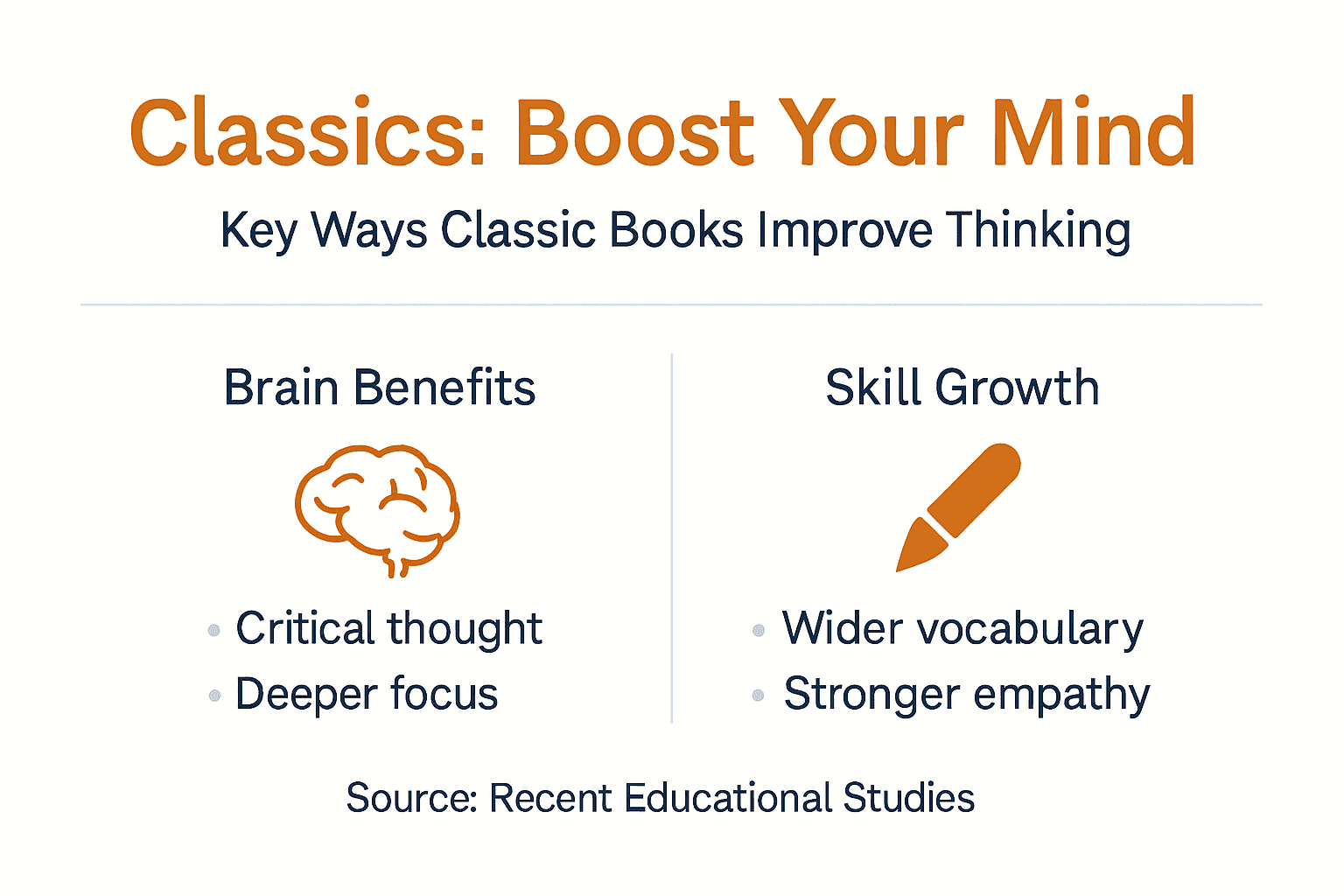
This intellectual wrestling builds crucial analytical muscles. Consider "Crime and Punishment," where Raskolnikov's moral crisis unfolds through psychological complexity rarely found in modern fiction. Tracking his justifications, contradictions, and eventual transformation requires sustained attention and critical evaluation. You practice identifying unreliable narration, analyzing character motivation, and recognizing thematic patterns.
There is a significant positive correlation between engagement with classic texts and improved language proficiency and interpretive competence. The study on literary reading and language skills demonstrates measurable advantages:
- Enhanced vocabulary acquisition through exposure to sophisticated, varied language
- Improved comprehension of complex sentence structures and rhetorical devices
- Stronger ability to infer meaning from context and identify implicit themes
- Greater facility with analytical writing and argumentation
"The intellectual demands of classic literature create cognitive benefits extending far beyond literary appreciation. Readers develop transferable skills in logic, evidence evaluation, and nuanced thinking applicable across academic disciplines and professional contexts."
Pro Tip: When reading classics, keep a notebook for tracking recurring symbols and themes. This active engagement transforms passive reading into analytical practice, strengthening pattern recognition skills valuable in academic research and critical writing.
The cognitive benefits of classic literature compound over time. Each challenging text you conquer builds confidence and competence for approaching subsequent complex material, creating an upward spiral of intellectual growth.
Universal and Timeless Themes in Classic Literature
Classic literature explores universal themes like love, death, justice, and identity that remain meaningful across cultures and eras. These aren't abstract concepts but lived human experiences that connect ancient readers to modern ones. When you read about Antigone's defiance of unjust authority, you're engaging the same tensions between individual conscience and state power that shape contemporary political debates.
The universal themes in classics create bridges across time and culture:
- Love and relationships: From courtly romance to family loyalty, classics examine bonds that define human existence
- Power and corruption: Political dynamics in "Macbeth" or "The Prince" illuminate modern governance challenges
- Identity and belonging: Questions of self-discovery in "Jane Eyre" resonate with contemporary searches for authenticity
- Justice and morality: Ethical dilemmas in "Les Misérables" mirror ongoing debates about punishment and redemption
These themes persist because they address fundamental aspects of being human. Technological progress hasn't eliminated jealousy, ambition, or moral conflict. Reading how previous generations navigated these challenges provides perspective on your own experiences. You discover that your struggles aren't unique; they're part of the human condition.
Timeless narratives also develop empathy by immersing you in radically different perspectives. Walking in Elizabeth Bennet's shoes teaches you about navigating social constraints. Following Odysseus through his trials builds appreciation for resilience and cunning. This imaginative transportation into other lives expands your emotional range and cultural competence.

Pro Tip: When reading classics, identify which universal themes resonate most personally. Connect the historical narrative to contemporary parallels in your life or current events. This bridge between past and present deepens both understanding and relevance.
Educational Impact of Classic Literature: Empirical Evidence
Students reading classics score significantly higher in reading comprehension and interpretive tests than peers who don't. The educational impact of classic literature extends beyond subjective appreciation to measurable academic outcomes. National Assessment of Educational Progress data reveals compelling patterns linking classic literature engagement with superior performance.
Consider the quantitative evidence:
| Metric | Classic Readers | Non-Classic Readers | Improvement |
|---|---|---|---|
| Reading Comprehension Scores | 285 (NAEP scale) | 245 (NAEP scale) | 16% higher |
| Vocabulary Range | 12,500 words | 8,700 words | 43% larger |
| Critical Analysis Ability | Advanced proficiency | Basic proficiency | 2 levels higher |
| Historical Context Understanding | 78% accuracy | 52% accuracy | 50% better |
These aren't marginal gains. The vocabulary advantage alone creates compounding benefits across all subjects requiring reading comprehension. Students comfortable with classical language tackle scientific papers, historical documents, and philosophical texts with greater confidence and success.
Classics also improve understanding of historical and cultural contexts essential for academic excellence. You can't fully grasp modern literature, political theory, or social movements without recognizing their classical foundations. References to Greek tragedy, biblical allegory, and Romantic poetry saturate academic discourse. Missing these connections limits your ability to engage deeply with advanced scholarship.
"Empirical research consistently demonstrates that students exposed to classical literature develop stronger analytical frameworks, richer vocabularies, and more sophisticated interpretive strategies. These advantages translate directly into improved performance across humanities and social science disciplines."
The intellectual advantages of integrating classics into curricula justify their continued prominence in education. Schools prioritizing classic literature preparation produce graduates better equipped for rigorous university work and professional careers requiring critical thinking.
Common Misconceptions About Classic Literature
Many students believe classics are boring or irrelevant, but polls show that engagement and context greatly improve appreciation. Understanding and correcting these misconceptions about classics removes barriers preventing many readers from accessing valuable literary experiences.
Misconception 1: Classics are boring or irrelevant to modern life. This belief stems from poor initial encounters, often forced reading without proper context. When you understand the revolutionary nature of "Frankenstein" as early science fiction exploring ethics of creation, or recognize "Pride and Prejudice" as sharp social satire, engagement transforms. Relevance emerges when you see contemporary parallels.
Misconception 2: Classics are too difficult and impede language development. While classical vocabulary and syntax challenge modern readers, this difficulty builds rather than hinders skills. Struggling productively with complex text strengthens comprehension abilities. The key is appropriate scaffolding through annotations and discussion, not avoidance.
Misconception 3: Contemporary literature is always more engaging and accessible. Modern works certainly offer value, but they can't replace the depth and cultural literacy classics provide. The richest reading life includes both. Contemporary fiction often assumes familiarity with classical themes and structures; missing this foundation limits appreciation.
Additional false beliefs include:
- Classics reflect outdated values with no modern application
- Only literature students need to read classical works
- Classics are universally pessimistic or depressing
- You must read classics in their original language to understand them
Pro Tip: Use annotated editions specifically designed for modern readers. These provide historical context, explain archaic references, and highlight themes without overwhelming the narrative. Quality annotations transform obstacles into doorways for deeper understanding.
Overcoming these misconceptions requires reframing classics not as assignments but as conversations across time with brilliant minds addressing eternal questions.
Linguistic and Cultural Literacy Benefits of Classic Literature
Classic texts improve vocabulary significantly more than simpler contemporary texts and cultivate cultural literacy by exposing readers to historical societies and ideas. The linguistic and cultural literacy benefits extend throughout academic and professional life.
Classics expose you to complex, historically rich language that enriches vocabulary in ways contemporary texts cannot match. Victorian novels employ nuanced terminology for social relationships, emotions, and moral concepts rarely used today. Learning these words doesn't just expand your lexicon; it refines your ability to make subtle distinctions in meaning. The difference between "prudent" and "cautious," or "magnanimous" and "generous" matters in precise communication.
Linguistic benefits include:
- Mastery of sophisticated grammatical structures and rhetorical devices
- Understanding of language evolution and etymology
- Improved ability to decode unfamiliar words from context
- Enhanced appreciation for stylistic variation and authorial voice
Cultural literacy represents equally important gains. Classics preserve ideas, values, and social structures from their eras. Reading Dickens teaches you about Victorian class systems and industrial revolution impacts. Greek tragedies illuminate ancient concepts of fate, honor, and civic duty. This knowledge provides essential context for understanding how modern societies evolved.
You encounter foundational myths, stories, and archetypes that permeate Western culture. Biblical references, Greek mythology, Shakespearean phrases appear constantly in journalism, politics, and entertainment. Missing these allusions leaves you culturally illiterate, unable to grasp deeper meanings in contemporary discourse.
Integrating classics into study supports broader comprehension and historical awareness. You develop ability to situate texts within their cultural moments while recognizing universal elements. This dual perspective, honoring both historical specificity and timeless themes, represents sophisticated analytical thinking valuable across disciplines.
Practical Applications for Students and Scholars Engaging with Classics
Translating appreciation into action requires strategic approaches. Effective engagement with classic literature combines preparation, active reading, and reflective application.
Approach classics with background context to enhance understanding. Before starting "War and Peace," learn about Napoleonic Russia. Research Victorian marriage customs before "Middlemarch." This preparation prevents confusion and reveals how revolutionary or conservative particular works were for their time.
Compare classics with contemporary literature to appreciate complementary perspectives. After reading Austen's marriage plots, explore modern romance examining similar themes. Notice what changes and what persists. This comparative method highlights both historical evolution and universal constants.
Use annotated editions and scholarly resources for deeper analysis. Quality footnotes explain obscure references, identify allusions, and provide critical interpretations without dictating meaning. These guides scaffold learning, making challenging texts accessible while preserving their complexity.
Engage actively by reflecting on themes and applying lessons to modern contexts. Keep a reading journal tracking how classical insights illuminate contemporary issues. When Orwell describes propaganda techniques in "1984," connect them to current media manipulation. This application solidifies understanding and demonstrates relevance.
Numbered steps for effective classic literature study:
- Select texts based on thematic and cultural relevance to your interests or academic focus
- Read with historical and philosophical annotations providing necessary context
- Discuss and write critically about themes and narratives, testing interpretations against textual evidence
- Connect insights to current academic topics or personal experiences, building bridges between past and present
Pro Tip: Join or form a classics reading group. Discussing interpretations with others reveals perspectives you missed and deepens comprehension. Collaborative learning transforms solitary reading into rich intellectual exchange.
These practical strategies move classics from intimidating monuments to engaging conversations. You develop sustainable habits for lifelong learning and literary appreciation.
Explore Classic Literature Resources at Bibliowlteca
Ready to experience these benefits firsthand? Bibliowlteca offers carefully curated classic literature resources supporting your educational journey. Our marketplace provides access to annotated editions, scholarly commentary, and modern critical analyses helping you engage deeply with timeless works.

Whether you're a student building foundational knowledge or a scholar pursuing advanced research, Bibliowlteca marketplace for classic literature connects you with materials enhancing comprehension and appreciation. Explore our collection to discover editions with contextual introductions, explanatory notes, and thematic guides transforming challenging classics into rewarding intellectual adventures. Visit Bibliowlteca today and deepen your classic literature journey with expert resources tailored to modern readers seeking timeless wisdom.
Why is Classic Literature Important in Modern Education?
What defines classic literature?
Classic literature comprises timeless works with universal themes created by influential authors, spanning ancient to 19th-century texts. These works hold cultural, linguistic, and human insights that remain relevant across generations. They've shaped literary traditions and continue influencing contemporary thought and expression.
How do classics improve critical thinking?
Classics engage readers with symbolic, multi-layered stories requiring deep moral and philosophical analysis, sharpening critical thinking abilities. Studies demonstrate significant correlation between classic reading and improved interpretive competence. The complexity demands active evaluation rather than passive consumption, building analytical skills transferable across disciplines.
Are classics relevant in the digital age?
Yes, classics explore universal human experiences and societal themes remaining pertinent despite technological changes. They provide historical context and cultural literacy enhancing digital age comprehension. The fundamental questions about identity, justice, and relationships classics address haven't been resolved by technology.
How can students overcome difficulty reading classics?
Use annotated editions and background resources to understand context and language barriers. Compare with contemporary works exploring similar themes and discuss interpretations with peers or study groups. Difficulty becomes productive challenge rather than insurmountable obstacle when properly supported with contextual scaffolding.
What are the emotional benefits of reading classics?
Classics foster empathy by exposing readers to diverse human experiences and complex moral dilemmas across cultures and eras. This engagement promotes emotional resilience and reflective self-awareness. Imaginative immersion in different perspectives expands emotional intelligence and understanding of human nature.