Educators worldwide face persistent challenges locating trustworthy, legal sources for free digital books that meet diverse classroom needs. Navigating copyright restrictions, quality concerns, and platform reliability can feel overwhelming when building digital libraries on limited budgets. This guide reveals proven platforms and practical steps to confidently access thousands of high-quality books online without cost, ensuring your students benefit from diverse, legally compliant educational materials throughout 2026.
Table of Contents
- Prerequisites and preparation
- Top platforms for free online books
- Step-by-step access using library apps and websites
- Alternative access methods: author websites and grants
- Common mistakes and warning signs
- Expected outcomes and benefits from accessing free books
- Discover Bibliowlteca's marketplace for educators
- Frequently asked questions
Key takeaways
| Point | Details |
|---|---|
| Legal access requires proper tools | You need an internet-enabled device, reliable connection, and sometimes a library card or educator credentials to use platforms safely. |
| Major platforms offer vast collections | Open Library provides over 3 million books, Project Gutenberg hosts 60,000 classics, and Epic School curates 20,000 children's titles for educators. |
| Step-by-step processes ensure success | Register with platforms, download apps like Libby, search collections, borrow books legally, and manage accounts to maintain continuous access. |
| Avoid common pitfalls | Steer clear of unverified websites to prevent copyright infringement, malware, and poor-quality files that waste time and risk legal consequences. |
| Benefits transform education | Free online books boost student engagement by up to 50%, expand libraries without costs, and provide multilingual content for inclusive classrooms. |
Prerequisites and preparation
Before diving into free book platforms, you need specific tools and knowledge to ensure smooth, legal access. Accessing free books online legally generally requires tools such as devices and library cards, so preparation matters significantly.
Your essential checklist includes:
- An internet-enabled device such as a computer, tablet, or smartphone with updated software
- A reliable internet connection capable of streaming and downloading digital files
- A valid library card from your local library system or educator credentials for specialised platforms
- Basic digital literacy skills to navigate websites, download files, and manage digital accounts
- Understanding of copyright laws and public domain concepts to avoid legal complications
Most educators already own suitable devices, but verifying your library membership status before starting saves frustration later. Many public libraries now offer free digital membership to residents, making physical visits unnecessary for initial registration.
Pro tip: Create a dedicated folder on your device for downloaded books and maintain a simple spreadsheet tracking titles, sources, and borrowing dates. This approach mirrors professional organising book inventory faster techniques used by librarians, ensuring you never lose track of borrowed materials or miss return deadlines.
Digital literacy requirements remain minimal. If you can send emails and browse websites comfortably, you possess sufficient skills to access free books online. Platforms prioritise user-friendly interfaces specifically designed for educators with varying technical backgrounds.
Top platforms for free online books
Selecting the right platform significantly impacts your success accessing quality educational materials. Several trusted services offer massive collections tailored to educator needs, each with unique strengths worth understanding.
Open Library offers over 3 million books through controlled digital lending, making it the largest online library available globally. You can borrow books exactly as you would from physical libraries, with automatic returns preventing late fees. The platform requires free registration and supports simultaneous borrowing of multiple titles across genres and reading levels.

Project Gutenberg specialises in public domain classics, hosting over 60,000 titles requiring no registration whatsoever. This volunteer-driven project focuses on older works free from copyright restrictions, providing permanent downloads rather than temporary loans. You gain lifetime access to downloaded files without borrowing limits or return dates.
Epic School provides 20,000 children's books during weekdays specifically for educators, offering curated age-appropriate content with multilingual support. The service includes reading comprehension quizzes, progress tracking, and personalised recommendations based on student interests and reading levels.
First Book operates as a nonprofit supplying free and discounted books directly to educators serving children from low-income families. Whilst not entirely free, their grants programme provides substantial funding for book acquisitions alongside deeply discounted marketplace purchases.
| Platform | Collection size | Registration required | Best for |
|---|---|---|---|
| Open Library | 3 million+ books | Yes, free account | General education, all ages |
| Project Gutenberg | 60,000+ classics | No | Literature, history, public domain |
| Epic School | 20,000 children's books | Yes, educator verification | Primary education, K-8 |
| First Book | Variable marketplace | Yes, eligibility required | Low-income student support |
Each platform serves distinct educational purposes. Open Library excels for comprehensive collections spanning subjects and grade levels, whilst Project Gutenberg suits literature and history courses requiring classic texts. Epic School specifically targets younger readers with engaging, contemporary content.
Step-by-step access using library apps and websites
Actual implementation requires following specific processes to successfully borrow and download books from chosen platforms. These instructions apply broadly across major services with minor variations.
-
Obtain or verify your library card from your local library system supporting digital lending programmes. Most libraries now issue instant digital cards online without requiring physical visits.
-
Download the Libby app to your device or visit Open Library's website directly through your browser. Libby enables library card holders to access thousands of ebooks across multiple devices with offline reading features.
-
Complete registration by entering your library card number and personal details as prompted. The system verifies your membership automatically within seconds, granting immediate access to collections.
-
Search available digital book collections using keywords, author names, subjects, or browsing curated categories tailored to educational needs. Filters help narrow results by reading level, language, availability, and format.
-
Borrow available titles by clicking the borrow button, which adds books to your digital shelf for the loan period, typically 14 to 21 days. Books automatically return on due dates, eliminating late fees entirely.
-
Download borrowed books for offline reading when internet connectivity proves unreliable or unavailable. The app stores files securely on your device throughout the loan period.
-
Manage your account regularly by reviewing borrowed titles, placing holds on popular books currently unavailable, and adjusting settings for notifications about holds becoming available.
Pro tip: Place holds on multiple desirable titles simultaneously, even if wait times appear long. Popular books often become available unexpectedly when other borrowers return them early, and you can always decline holds if timing proves inconvenient.
Maintaining organised records proves crucial for effective use. Track which titles you've borrowed, when they expire, and which students used them for accountability and future planning. This systematic approach aligns with proven book selection strategies that maximise educational impact whilst minimising administrative overhead.
Some platforms impose simultaneous borrowing limits, typically ranging from three to ten titles depending on library policies. Understanding these constraints helps you plan borrowing strategically around curriculum needs. Additionally, exploring organising book inventory faster methods enhances your ability to serve student requests promptly without delays.
Alternative access methods: author websites and grants
Beyond major library platforms, additional creative sources expand your free book access significantly. Authors and organisations provide legitimate alternatives worth exploring.
Many authors provide free professionally edited books as samples directly from their official websites, offering legal downloads of complete works or substantial excerpts. These samples typically showcase writing quality to attract paying customers but serve perfectly as free educational resources. Authors retain copyright whilst permitting free distribution for promotional purposes.
Subscribing to author newsletters often unlocks exclusive free book offers unavailable elsewhere. Writers regularly reward loyal subscribers with free downloads of backlist titles or bonus content, creating win-win arrangements benefiting both parties.
Grant programmes specifically targeting educators provide substantial funding for acquiring books affordably. First Book offers grants up to £1,500 alongside discounted marketplace prices, supporting educators serving children from low-income backgrounds. Application processes require demonstrating eligibility and explaining how grants will benefit students.
Key considerations for alternative methods include:
- Verifying legitimacy by checking author credentials, website security certificates, and reviews from other educators before downloading
- Confirming licensing terms permit educational use, particularly for classroom distribution or public display
- Assessing quality through sample chapters or reviews, as free books occasionally lack professional editing standards
- Planning grant applications strategically by identifying funding cycles, deadlines, and eligibility requirements well in advance
- Building relationships with authors through social media engagement, potentially unlocking additional free resources or classroom visits
Direct author downloads provide convenience and permanent ownership without borrowing restrictions. However, collections remain limited compared to comprehensive library platforms. Combining multiple sources maximises your digital library's breadth whilst maintaining legal compliance throughout.
Common mistakes and warning signs
Avoiding preventable errors protects you from legal troubles, security breaches, and wasted time pursuing low-quality resources. Understanding common pitfalls helps you navigate free book access safely.
Unverified websites pose serious risks despite promising extensive free collections. Downloading from illegal sites risks legal consequences and malware infections; verified platforms guarantee quality and compliance. Stick exclusively to established platforms with clear copyright policies and transparent operations.
Critical warnings include:
- Checking licensing and public domain status before downloading any book, as copyright violations carry severe penalties including fines and legal action
- Avoiding sites requiring suspicious permissions or excessive personal information beyond standard registration details
- Recognising fake files containing malware disguised as popular titles, identifiable through unusual file sizes or formats
- Understanding borrowing limits and renewal policies on library apps to prevent losing access mid-lesson when students need materials
- Maintaining secure login credentials using password managers rather than browser auto-fill features vulnerable to breaches
"Legal free book platforms invest heavily in copyright compliance and security measures, protecting educators from risks whilst delivering reliable access to quality materials. Cutting corners by using unverified sources ultimately costs more time, money, and professional reputation than any short-term convenience provides."
Poor-quality files waste valuable time when they lack proper formatting, contain scanning errors, or miss entire chapters. Legitimate platforms employ quality control processes ensuring downloads meet professional standards suitable for educational use.
Borrowing limit violations occur when educators forget about automatic renewals or fail tracking loan periods across multiple platforms. Setting calendar reminders before due dates prevents unexpected access losses during critical teaching periods. Additionally, communicating clearly with students about temporary access limitations helps manage expectations appropriately.
Expected outcomes and benefits from accessing free books
Implementing these strategies delivers measurable positive impacts transforming your educational effectiveness and student outcomes. Understanding potential benefits motivates consistent use of free book platforms.
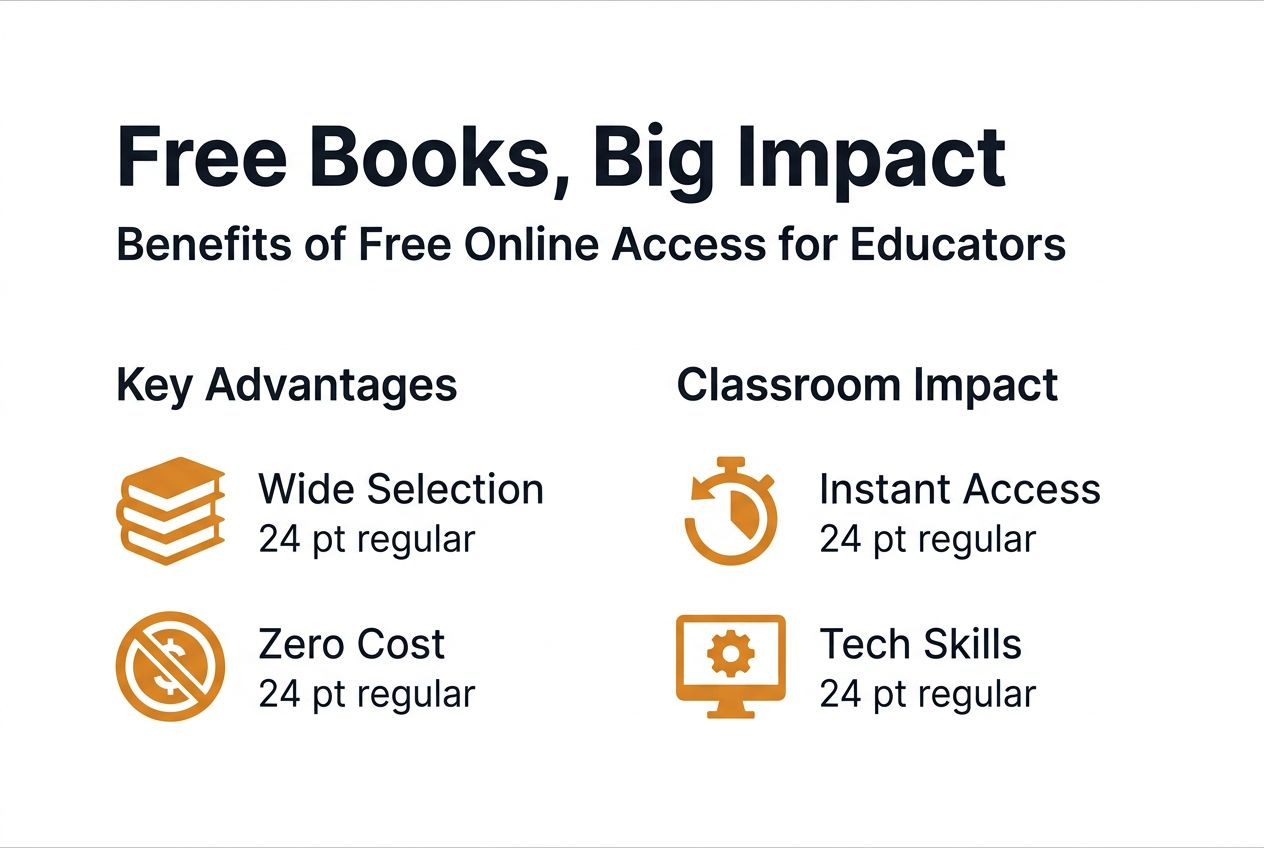
Free online books boost engagement by 50% whilst expanding collections significantly at no cost to your institution. Students demonstrate increased reading motivation when accessing diverse materials matching their interests and reading levels precisely.
Tangible advantages include:
- Dramatic expansion of digital library holdings from dozens to thousands of titles without budget expenditure
- Enhanced availability of multilingual and culturally diverse content supporting inclusive education for varied student populations
- Simplified distribution and management of resources digitally compared to tracking physical book loans and managing damaged copies
- Immediate access to timely materials addressing current events, emerging topics, or urgent curriculum needs without procurement delays
Comparing traditional versus digital approaches reveals substantial differences:
| Aspect | Physical books | Free digital books |
|---|---|---|
| Initial cost | £8-25 per book | £0 per book |
| Procurement time | Days to weeks | Immediate |
| Storage requirements | Significant shelf space | Minimal digital storage |
| Damage and loss | Common, costly | Impossible, automatic returns |
| Accessibility | Limited copies | Unlimited simultaneous readers |
| Updates | Requires new editions | Platforms continuously add titles |
Your professional development benefits simultaneously as exploring digital platforms expands your technological fluency and exposes you to innovative teaching resources. Skills gained managing digital libraries transfer readily to other educational technology applications.
Student feedback consistently highlights appreciation for convenient anytime access to reading materials on personal devices. This flexibility particularly benefits students lacking transportation to physical libraries or those balancing complicated schedules around work and family obligations.
Applying proven book selection strategies alongside free platform access compounds benefits further, ensuring every acquired title serves specific educational objectives effectively.
Discover Bibliowlteca's marketplace for educators
Whilst free platforms provide excellent foundations, supplementing collections with affordable curated resources tailored specifically for educational contexts enhances your teaching toolkit significantly. Bibliowlteca offers a marketplace designed explicitly for educators seeking quality digital content beyond what free sources provide.
Our platform connects you with creators offering specialised educational materials, interactive content, and contemporary titles unavailable through public domain or library systems. You gain access to resources supporting efficient organisation and quick retrieval of digital book inventory, complementing the free collections you've built through this guide.
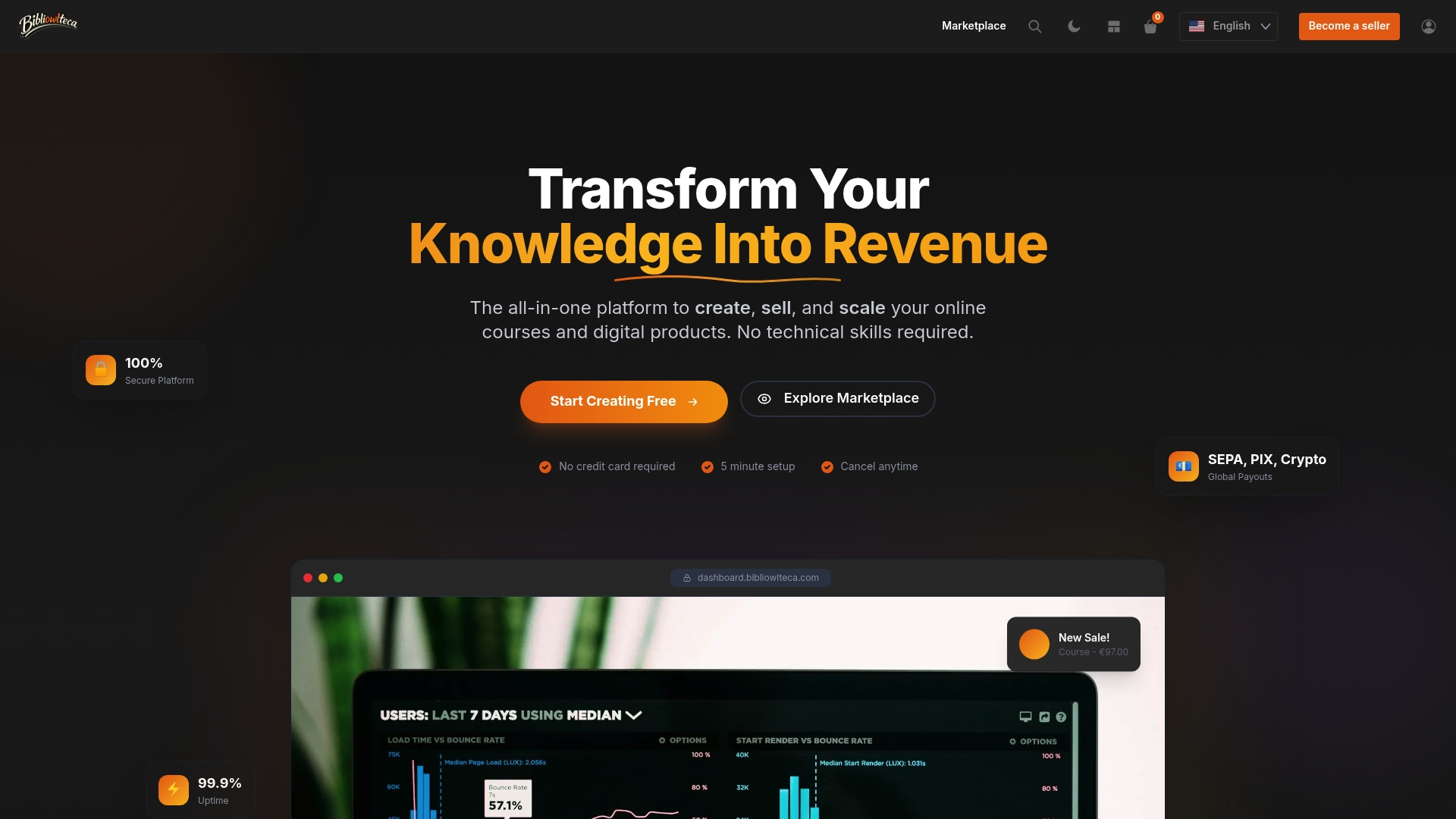
Bibliowlteca simplifies discovering educator-focused selection strategies and resource management solutions, helping you maximise educational impact across diverse student populations. Explore how combining free resources with strategically chosen affordable materials creates comprehensive digital libraries serving every learning need effectively.
Frequently asked questions
How do I know if an online book source is legal and safe?
Verify platforms display clear copyright licensing information, privacy policies, and secure HTTPS connections before creating accounts or downloading files. Established services like Open Library, Project Gutenberg, and Epic School maintain transparent operations with documented legal compliance. Check online reviews from other educators and look for affiliations with recognised library systems or educational organisations as credibility indicators.
Can I access free books without a library card or educator credentials?
Project Gutenberg requires absolutely no registration, allowing immediate downloads of over 60,000 public domain classics without any credentials whatsoever. Many author websites similarly provide free downloads directly without accounts or verification processes. However, platforms offering newer copyrighted materials like Open Library and Epic School require library cards or educator verification to comply with licensing agreements and control access appropriately.
Are free online books suitable for diverse educational needs?
Major platforms specifically curate resources spanning K-12 through higher education, with filtering options for reading levels, subjects, languages, and formats. Epic School emphasises age-appropriate content with multilingual support, whilst Open Library's massive collection covers virtually every academic discipline and interest area imaginable. You can personalise selections matching specific curriculum requirements, student interests, and learning objectives through advanced search features and recommendation systems.
What should I do if I encounter issues downloading or accessing free books?
First verify your internet connection stability and confirm your device meets platform technical requirements regarding operating systems and available storage space. Check that login credentials remain current and you haven't exceeded simultaneous borrowing limits imposed by your library system. Contact platform support teams through help sections or email addresses listed on websites, as they typically respond quickly with troubleshooting guidance tailored to specific technical problems you're experiencing.