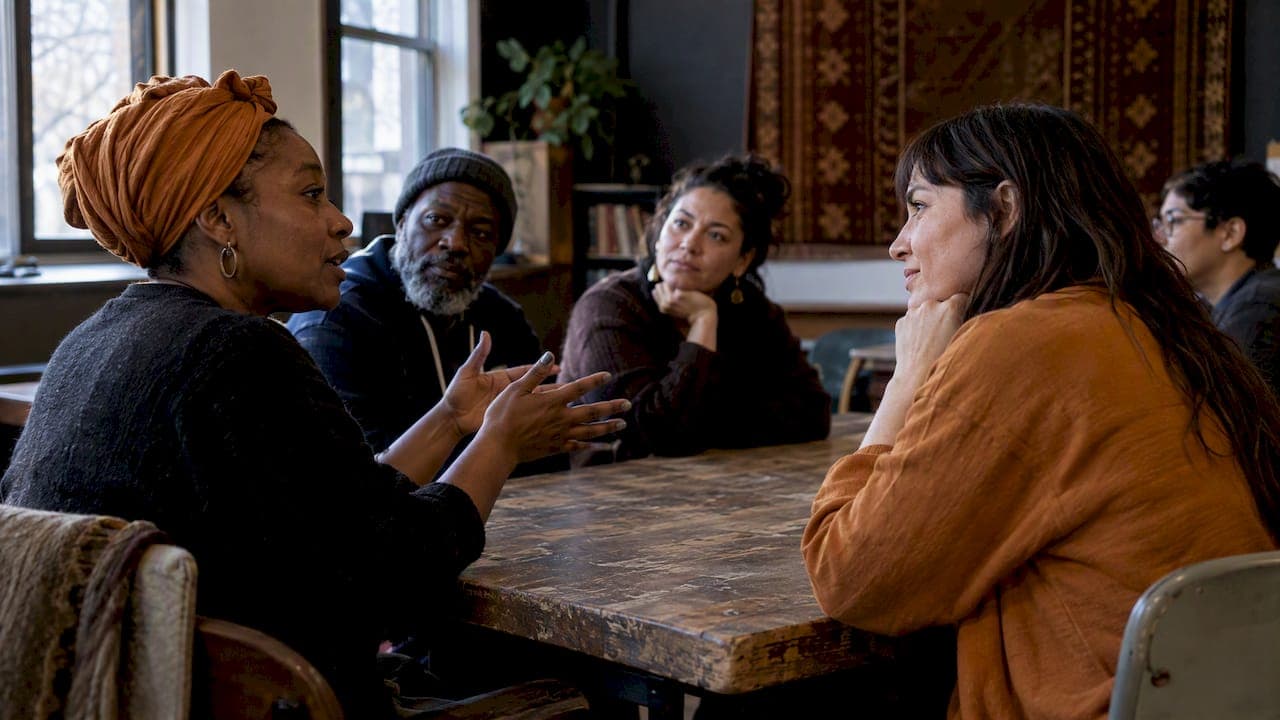
Pick one recurring, low-friction activity and run it consistently rather than chasing one-off spectacles: a monthly skill swap, a weekly online coworking hour, a doorstep conversation series. Consistency builds the trust that a single flashy event never does, and it costs less to maintain than you'd think.
TL;DR:
- Five minute conversations at markets, schools, or faith gatherings can reach people who avoid formal meetings; two volunteers need only a clipboard and three questions.
- Start planning 6 to 8 weeks ahead, confirm volunteers and costs 2 to 3 weeks before, and send reminders 48 to 72 hours before the activity.
- State whether participants are being informed, consulted, involved, or collaborating, then name a decision shaped by their input within a week.
- A participatory study with 165 residents generated 71 distinct ideas across nine actionable domains, showing that structured group work can yield usable community proposals.
- Offer translation, captions, accessible transport, childcare, or a quiet room, and vary event times so language, disability, caregiving, and shift work do not exclude residents.
Table of Contents
- 1. Eight high-impact plays to try this month
- Idea buckets: a wider menu grouped by format and audience
- How to plan and run an engagement activity
- Designing for inclusion and accessibility
- Measuring impact and closing the loop with participants
- Research and a short case study: what actually works
- A short reminder on consistency and modest ambitions
- Keeping the momentum going after the event ends
- FAQ
- Sources
- Authoritative toolkits and studies to consult next
1. Eight high-impact plays to try this month
A handful of formats consistently outperform the rest because they lower the barrier to a first "yes" and give organisers something repeatable.
- Micro-conversations at existing gatherings: short, five-minute chats at markets, schools or faith gatherings often surface more representative input than formal meetings; field research on lowering participation barriers found these brief, embedded interactions reduce the friction that keeps people away from scheduled events. Tip: train two volunteers to carry a clipboard and three questions, nothing more.
- Monthly skill exchange: residents teach each other a practical skill, from budgeting to bike repair. Tip: ask the first three teachers to recruit the next three.
- Pop-up listening table: a staffed table in a high-footfall spot for an hour. Tip: bring a visible notice board so answers get posted back the same day.
- Virtual coworking hour: a recurring video call where members work alongside each other and chat during breaks. Tip: keep cameras optional to lower the barrier.
- Live AMA with a local decision-maker: online, scheduled, and promoted a week ahead. Tip: collect questions beforehand so quieter members still get heard.
- Community watch party: screening a local documentary or match with discussion after. Tip: pair with a simple survey at the door.
- Open streets or pop-up plaza day: closing a block for a few hours of shared activity. Tip: partner with an existing event rather than building from scratch.
- Volunteer-led story night: residents share short stories or histories. Tip: record it, with permission, for a later resource.
Idea buckets: a wider menu grouped by format and audience
Once the quick wins are running, build a broader menu so you always have a fit for the context and the budget.
In-person and experiential:
- Open streets days that temporarily close roads for shared use.
- Pop-up markets or swap meets in underused car parks.
- Skill-exchange workshops run by residents, not staff.
- Walking audits or neighbourhood mapping sessions.
- Repair cafes for small appliances and furniture.
Online and hybrid:
- Scheduled AMAs with staff, councillors or local experts.
- Live polls during meetings to surface instant sentiment.
- Watch parties for public hearings or documentaries.
- Hybrid town halls with a dial-in option and live captions.
- Discussion threads that run for a week rather than an hour.
Low-cost, volunteer-led:
- Community gardens with rotating plot stewardship.
- Clothing or toy swaps timed to seasonal change.
- Story nights that double as oral history archives.
- Little free libraries stocked by residents.
- Neighbourhood clean-up days with a shared lunch after.
Audience-targeted:
- Youth: gaming nights, skate sessions, paid micro-internships.
- Seniors: daytime tea hours, tech help desks, chair-based activities.
- Families: Saturday morning playgroups with a short parent survey.
- Newcomers: translated welcome packs and buddy-matching schemes.
How to plan and run an engagement activity
Every idea above runs on the same operational spine, whatever the format.
- Define purpose, audience and success metrics first. Decide what you want to learn or achieve before picking the activity.
- Match the engagement tier to the outcome. Choose whether you're informing, consulting, involving or collaborating with participants, since each tier sets different expectations for how much influence people will have.
- At 6 to 8 weeks out: confirm venue or platform, book interpreters if needed, and draft promotional material.
- At 2 to 3 weeks out: open sign-ups, confirm volunteers, finalise the budget for refreshments, printing and any honoraria.
- At 48 to 72 hours out: send reminders, confirm headcounts, pack the accessibility kit.
- Day of: assign a greeter, a notetaker and a timekeeper, and keep a backup plan for weather or technical failure.
- Follow-up within a week: share a summary and name at least one decision shaped by the input received.
Pro Tip: Keep a running document of permits, venue contacts and volunteer rosters from your first event; reusing it cuts planning time for every event after.
Designing for inclusion and accessibility
Barriers are often small and fixable, which is exactly why they're worth checking every time.
- Offer plain-language materials and translation for the languages spoken locally.
- Add captions, alt text and screen-reader-friendly documents to anything shared online.
- Choose venues on accessible transport routes, and offer childcare or a quiet room.
- Schedule at varied times, since one slot excludes shift workers and carers.
- Brief facilitators on trauma-informed, culturally respectful practice before the event.
Pro Tip: Publish a short "promise to the public" stating how much influence this activity actually gives participants; it prevents the disappointment that comes from vague expectations.
Measuring impact and closing the loop with participants
A handful of simple metrics tell you whether an activity is working and whether anyone trusts you enough to come back.
- Attendance and return-attendance rates across events.
- Demographic reach compared with the neighbourhood's actual makeup.
- Number of distinct, actionable ideas collected per session.
- Participant satisfaction, gathered through a one-minute exit survey.
Cluster notes into themes quickly after each session rather than weeks later, and use a visual summary where possible, since a shared sketch or chart helps participants see their input reflected and gives you a reusable artefact. Report back publicly within a short window, naming at least one specific change the input produced; silence after an event is the fastest way to lose a community's willingness to show up next time.
Research and a short case study: what actually works
A community-based participatory research study involving 165 residents generated 71 unique ideas, which were clustered into nine actionable domains, demonstrating that participatory methods can reliably produce a large pool of usable, community-driven proposals rather than a handful of generic suggestions.
Small, place-based groups with a defined co-researcher role build trust and surface programme priorities more effectively than one-off consultation events.
The same pattern shows up in co-researcher activation models: residents engaged as co-researchers, meeting in local spaces with graphic facilitation, produce clearer priorities and stronger follow-through. Both findings map directly onto the planning checklist above: define purpose early, keep groups small, and close the loop visibly.
A short reminder on consistency and modest ambitions
Pick one thing and do it well before adding a second. The steady, slightly unglamorous activity that runs every month will outlast the spectacular one-off, because trust is built through repetition, not fireworks.
— BibliOWLteca
Keeping the momentum going after the event ends
A single successful session is worth more when it doesn't disappear the next morning. Turning event notes, recorded discussions or workshop materials into a short guide or course keeps the conversation alive for people who couldn't attend, and gives contributors something concrete to point back to. A creator marketplace like BibliOWLteca lets organisers publish that material as an ebook, template or short course under their own storefront, with no monthly fee and a transaction fee only when something sells. If you recorded a workshop, a partner tool like AtListen can turn that recording into structured summaries and study materials before you publish it. Browse the digital product categories to see what format fits your material best, or explore BibliOWLteca's marketplace to set up a storefront for your next resource pack.

FAQ
What are examples of good community engagement?
Strong examples include recurring skill exchanges, pop-up listening tables, hybrid town halls with live captions, and volunteer-led story nights, because each lowers the barrier to a first visit and gives organisers a repeatable format. The common thread is a clear purpose and a visible follow-up, not the size of the event.
What are eight examples of community engagement activities?
A practical shortlist includes micro-conversations at existing gatherings, monthly skill exchanges, pop-up listening tables, virtual coworking hours, live AMAs, watch parties, open streets days and volunteer-led story nights. Each pairs an in-person or online format with a specific, low-cost implementation tip.
What are the three Cs of community engagement?
Definitions vary across practitioner guides, but a common version centres on communication, collaboration and capacity building, since these three behaviours underpin most sustained engagement work. Clear communication sets expectations, collaboration shares decision-making, and capacity building equips residents to keep participating over time.
What are the three common forms of community engagement?
Practitioner frameworks typically describe in-person engagement, digital or online engagement, and hybrid formats that combine both. The Principles of Community Engagement guidance frames the choice around matching the format to the community's existing habits and access rather than defaulting to whichever is easiest to run.
How do I choose the right engagement tier for an activity?
Match the tier to how much influence participants will actually have: informing suits announcements, consulting suits gathering feedback, while involving and collaborating suit activities where residents shape the decision. White House guidance on broadening participation recommends stating that tier publicly before the activity starts, so expectations stay honest.
Sources
- Community‑based participatory research study (Marquette repository)
- Principles of Community Engagement, 3rd Edition (CDC)
- Broadening participation and engagement with the federal government (White House / OMB guidance)
Authoritative toolkits and studies to consult next
For deeper planning detail, the Principles of Community Engagement covers trust-building, flexibility and sustaining engagement over time, while federal guidance on broadening participation sets out practical steps for transparent outreach and reporting. The Marquette CBPR study and related co-researcher models offer a tested template for generating and clustering community ideas at scale.