

If a buyer asks for their money back on an ebook, course, or template, you generally owe them a refund within 14 days under EU consumer law, unless they expressly consented to start the download or stream and confirmed they understood they'd lose that right. Check your delivery logs first. If no valid consent was recorded, refund via the original payment method now; if consent exists, keep that record safe for any chargeback and note the VAT/OSS impact of the reversed sale.
TL;DR:
- Refunds must be issued within 14 days unless explicit consent to start performance was obtained and documented prior to download or streaming.
- Without clear consent, the full 14-day withdrawal right applies, requiring refunds to match the original payment method promptly after request.
- Maintaining detailed records of consent, delivery timestamps, and communication is essential for dispute resolution and VAT compliance over multiple years.
- A chargeback is initiated by the buyer’s bank, requiring robust evidence like checkout logs and support exchanges to contest it successfully.
- Refunds impact VAT and OSS filings, so they must be accurately recorded during the correct quarter and potentially require adjustments if already filed.
Table of Contents
- Tagasimaksed digitaaltoodetele: the legal baseline under EU law
- Practical merchant refund steps for digital downloads
- Chargebacks and dispute handling: what sellers must prepare for
- VAT and OSS implications for refunds and corrections to VAT returns
- Marketplace responsibilities and the 'deemed supplier' risk
- How Bibliowlteca supports refund, payment and tax workflows
- Copy-ready templates for refund confirmations and evidence packs
- Why records beat arguments in refund disputes
- Manage refunds, disputes and VAT with the Creator Plan
- Sources
- FAQ
Tagasimaksed digitaaltoodetele: the legal baseline under EU law
Under Directive 2011/83/EU on consumer rights, consumers buying at a distance get a 14-day right of withdrawal, no questions asked. That is the default position for tagasimaksed digitaaltoodetele across the whole EU, and it applies to ebooks, courses, templates, and any other digital download sold to a consumer.
There's an exception, though, and it's the one that matters most for sellers of digital content. Article 16(m) of the same directive removes the withdrawal right once performance has begun, but only if you did three things first:
- Told the buyer clearly that the product would be available immediately (streaming, download, or instant access).
- Got their express consent to start performance before the 14 days ran out.
- Got their acknowledgement, in writing or via a checkbox, that they'd lose the right to withdraw once that performance started.
Skip any one of those steps and the exception doesn't apply, as illustrated in many digital downloads scenarios. You're back to a full 14-day refund window, no matter how far the buyer got through your course.
Where withdrawal is valid, reimbursement rules are strict: you must repay every payment made, using the same payment method the buyer used, promptly upon being informed of the withdrawal, within a reasonable time. Refund method for digital purchase returns matters here. Switching a card refund to store credit without the buyer's agreement goes against the consumer rights directive.
Practical merchant refund steps for digital downloads
When a refund request lands in your inbox, work through it in order rather than reacting to the tone of the message.
-
Check the consent trail. Pull your delivery log and look for a timestamp on the consent checkbox, the download start, and any streaming session. If you can't find explicit consent tied to that specific sale, treat it as a standard withdrawal.
-
Decide the refund path. If withdrawal applies, refund to the original payment method and log the date, amount, and order reference in one place. If valid consent exists, you can decline the automatic refund, but consider offering a partial refund or a swap to another title. Goodwill here often prevents a chargeback later.
-
Update your VAT/OSS records. A refunded sale needs to come off your next OSS return for that quarter, not get quietly ignored. If you've already filed, you may need a correction (more on that below).
-
File the paperwork. Save the consent record, delivery timestamp, and any support messages together as one evidence pack, even if the request never turns into a dispute.
Pro Tip: Keep every consent checkbox timestamp and delivery log for at least six years. Estonian and most EU tax authorities can query VAT records well after the sale, and a chargeback can surface months after a course has been finished.
Retention doesn't need to be complicated. A dated spreadsheet row per sale, linking order ID to consent timestamp and refund status, covers most disputes without extra software.
Chargebacks and dispute handling: what sellers must prepare for
A chargeback is not the same thing as a withdrawal request. Withdrawal is the buyer asking you directly; a chargeback is the buyer's bank reversing the payment through their card network, often without any prior contact with you at all. Under EBA guidance on PSD2 and merchant-initiated transactions, a refund you initiate is itself an electronic payment transaction, initiated by you as the payer, and it sits inside the same reporting framework as the original sale.
That distinction shapes what your payment service provider needs from you when a chargeback lands. Strong evidence usually includes:
- The consent checkbox timestamp and the exact wording shown to the buyer at checkout.
- Delivery and access logs showing when the file was downloaded or the course was streamed.
- Any support messages exchanged before the dispute was raised.
- IP address or device data tied to the purchase, where your platform captures it.
Pro Tip: Format your evidence as a single dated PDF, not a scattered email thread. Acquiring banks reviewing disputes move faster through one clean document than through a forwarded inbox.
Marketplaces often hold reserve balances or delay payouts specifically to cover this risk, so plan your cashflow with that buffer in mind rather than treating every payout as immediately spendable. Clear pre-sale information and fast responses to buyer queries are still the cheapest way to keep chargeback rates down.

VAT and OSS implications for refunds and corrections to VAT returns
Refunding a cross-border digital sale doesn't just affect your bank balance. It changes what you owe on your next One Stop Shop return, and getting the sequencing wrong causes more admin than the refund itself.
Under the EU VAT OSS portal's Estonia rules, OSS returns are filed every calendar quarter, and you must submit one even when you've made no sales at all, a nil return. Payment is due by the end of the month following that quarter.
- Refunded sales should be netted off the relevant country's figures in the quarter you process the refund, not silently dropped from your records.
- If the refund happens after you've already filed that quarter's return, you'll usually need a correction, and rules for how to submit one vary slightly by Member State.
- Always keep country-of-consumption evidence (billing address, IP location, bank location) alongside the refund record, since OSS relies on that data to allocate VAT correctly.
- Reference your OSS unique payment number exactly when paying, since misreferenced payments can be treated as unpaid even after the money has left your account.
If you're unsure how a specific correction should be filed, check with your national tax authority directly. For creators charging VAT to Estonian or EU buyers, our guide to Estonian VAT on digital products walks through the rates and reporting mechanics in more depth.
Marketplace responsibilities and the 'deemed supplier' risk
Marketplaces aren't neutral bystanders in a refund dispute. Under the consumer rights directive's implementing rules, platforms must clearly disclose who the actual supplier is, how ranking works, and how obligations are split between the platform and the seller before a consumer commits to buying.
In some VAT scenarios, the platform itself becomes the "deemed supplier", meaning it, not you, is legally liable for collecting and remitting the VAT on that sale. The Estonian Tax and Customs Board's guidance on e-commerce schemes explains how this works for platforms operating under special schemes.
A short listing checklist keeps the roles clear on your end:
- State your refund policy in plain language on every product page.
- Use explicit, unambiguous consent wording before any download or stream starts.
- Keep contact details current so buyers reach you, not a dead inbox.
- Make your VAT treatment visible so buyers aren't surprised at checkout.
How Bibliowlteca supports refund, payment and tax workflows
The platform builds delivery logs and payment reconciliation into the checkout flow itself, so the consent timestamp and download record needed for a dispute exist without extra tracking spreadsheets.
- Automated delivery logs capture when a buyer accessed a download or started streaming a course.
- VAT reporting support helps track country-of-consumption data for OSS filings.
- Multilingual course controls let you manage refund policy text and consent wording per market.
- Payment setup supports bank links and mobile wallets, detailed in our Estonian payment setup guide.
Payout and reserve practices balance quick access to your earnings against the reality that chargebacks can surface weeks after a sale closes.
Copy-ready templates for refund confirmations and evidence packs
A one-line refund confirmation should record the order ID, refund amount, payment method, and the date processed, all in a single sentence you can paste straight into a support reply.
For a chargeback response, attach:
- The consent checkbox timestamp and wording shown at checkout.
- Delivery or streaming access logs for that order.
- Any support messages exchanged with the buyer.
An OSS correction note simply needs the original return period, the corrected sales figure, and the reason for the change, submitted through your OSS portal rather than emailed to a tax office.
Why records beat arguments in refund disputes
Most refund disputes aren't won on legal argument. They're won on whoever kept better records at the point of sale. Bibliowlteca's view is straightforward: fast, fair refunds backed by clear pre-sale information cost sellers far less than a drawn-out chargeback fight, even when the seller was technically in the right.
Platform features exist to make that documentation automatic rather than optional. If a case gets complicated, involving a partial course completion or a disputed consent record, contact support rather than guessing.
— BibliOWLteca
Manage refunds, disputes and VAT with the Creator Plan
Chasing consent logs across spreadsheets while a chargeback clock runs down is how sellers lose disputes they should win. The Creator Plan gives you transaction-level delivery logs, payout controls, and VAT support built into the same checkout your buyers use, so the evidence exists before you ever need it.
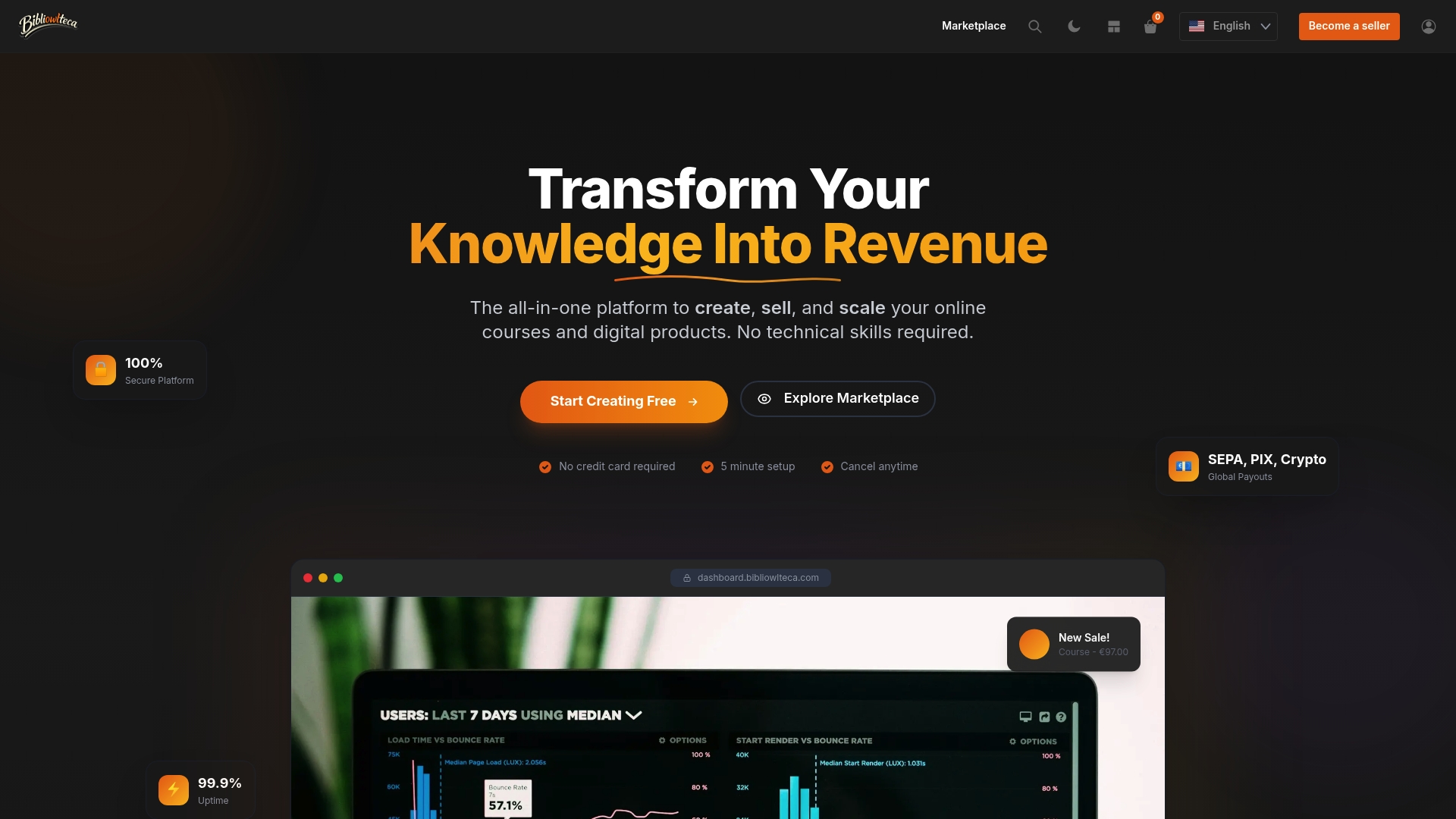
Pricing runs from a transaction fee of €0.99 per sale, with no monthly subscription sitting on top. If you're setting up payments for the first time, our payment setup guidance covers bank links and mobile wallets step by step. Browse the ebook, course and template categories to see how the platform fits your existing catalogue, then set up your storefront and route your first refund through a system built to log the evidence for you.
Sources
- Directive 2011/83/EU on consumer rights
- Estonia VAT rules (OSS) — EU VAT OSS portal
- EBA Q&A on PSD2/merchant-initiated transactions
FAQ
Do I have to refund a digital course after the buyer starts it?
Not automatically. If you recorded explicit consent before the course started and confirmed the buyer understood they'd lose their withdrawal right, you can decline the refund under Directive 2011/83/EU. Without that recorded consent, the standard 14-day window still applies.
How quickly must I process a valid refund?
Reimbursement must happen without undue delay and within a short period after you're informed of the withdrawal, using the original payment method, as required by the consumer rights directive.
What's the difference between a chargeback and a withdrawal request?
A withdrawal request comes from the buyer directly to you; a chargeback comes through their bank reversing the payment via the card network. Under EBA guidance, refunds you initiate are electronic payment transactions subject to their own reporting rules, separate from the original sale.
Does a refund need to be reported on my OSS return?
Yes. Refunded sales should be reflected in the OSS return for the quarter you process them, and if the original return has already been filed, you may need a correction through the OSS portal.
Does Bibliowlteca help with refund evidence and VAT tracking?
A Creator Plan includes automated delivery logs and VAT reporting support built into checkout, so consent timestamps and access records are captured without separate tracking tools. Current pricing, from €0.99 per transaction, is listed on the platform's pricing page.